Live, Role-Based Sessions
Each session is tailored to the role in the room — writers don't sit through an hour of editorial calendar management that doesn't affect their work.
Service · Team Onboarding
We run practical, hands-on onboarding so your writers, editors, and managers adopt the new workflow from day one — not after three months of nudging.
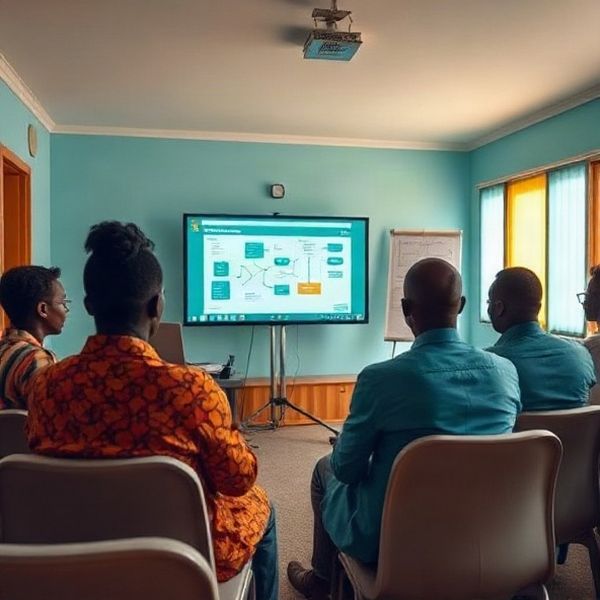
It's common to invest in a great content system and then watch the team slowly drift back to their old habits within a month. The reason isn't laziness — it's that the system was explained once in a setup call and then left to fend for itself. Our Team Onboarding service is built around the reality that people learn by doing, not by watching a screen recording. We run live sessions — in person where possible for Kakamega-based teams, or over Google Meet for distributed teams — that walk each role through their specific part of the pipeline. Writers learn how to use the brief template and submit drafts correctly. Editors learn the review checklist and the approval workflow. Managers learn the dashboard and the reporting cadence. Everyone leaves knowing exactly what they're responsible for.
A standard Team Onboarding engagement covers three live sessions of 90 minutes each, spread over two weeks. Session one covers the editorial strategy and how it connects to everyone's daily work. Session two is a hands-on walkthrough of the pipeline and tools — every participant completes a test piece from brief to published post during the session. Session three is a Q&A and troubleshooting call held two weeks after go-live, once the team has had time to use the system for real. We also produce a written Standard Operating Procedure document covering each role's responsibilities — a reference guide your team can revisit whenever someone new joins or a process question comes up.
We design the onboarding around your team's actual size, tools, and pace — not a generic playbook.
Each session is tailored to the role in the room — writers don't sit through an hour of editorial calendar management that doesn't affect their work.
A written Standard Operating Procedure your team owns — covering workflows, responsibilities, and tool instructions so new hires onboard without starting from scratch.
A follow-up session after your first two real weeks of using the system — to fix anything that isn't working and answer questions that only come up in practice.
Reach out and we'll confirm which onboarding format suits your team size and location.
Talk to us about onboarding